EN
EN



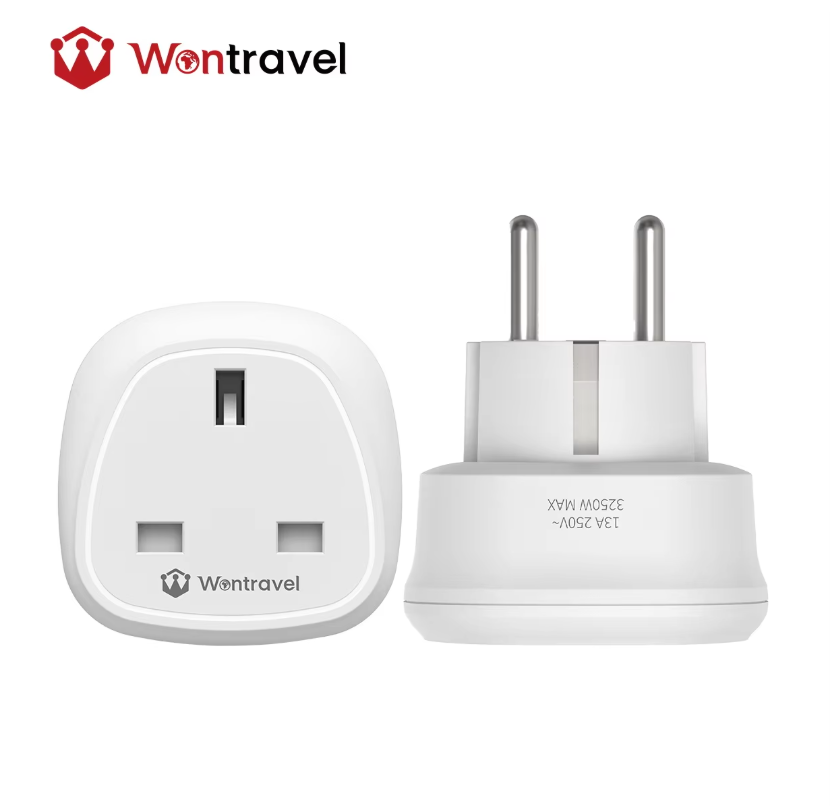
Real‑world travel risks from unexpected power surges
Many travellers assume European power grids deliver perfectly steady power everywhere they go. On one multi‑city business trip across Germany and Italy, a colleague brought a brand‑new high‑end camera for client shooting work. Everything worked fine for the first three hotel stays, until a short power fluctuation in an older city hotel fried the camera charging circuit overnight. The device still powered on, yet it could no longer accept stable charging, and local repair shops could not fix the fault quickly. This frustrating situation happens more often than most people expect. Even well‑built European public power networks can produce short voltage spikes. Old building wiring, large nearby equipment switching on and off, or brief grid switching events can send unexpected surges through wall sockets. These short‑lived voltage peaks rarely harm simple household appliances, but they create real threats for sensitive portable electronics such as laptops, mirrorless cameras, portable SSD drives and mobile phones. Ordinary EU travel adapters only change plug shapes and offer zero protection against these destructive voltage transients.
How surge protection functions inside EU travel adapters
Surge protection built into EU travel adapters works by absorbing or diverting sudden voltage spikes before they reach your connected devices. Quality hardware uses specialized circuit components to catch short high‑voltage pulses and route excess energy away from your gadgets. Basic travel adapters only handle physical plug conversion with simple conductive metal parts, and they have no way to respond to power anomalies. Design teams must tune these protective circuits specifically for the 230V 50Hz European grid environment. Engineers balance response speed, load capacity and physical size, since travel adapters must stay compact enough for luggage. Poor‑quality surge circuits either fail to react fast enough or burn out after one single surge event, leaving users with zero visible warning that protection has stopped working. Well‑designed units keep protective functions active through repeated transient events without sacrificing normal charging performance for phones and laptops.
Global safety certifications set baseline for reliable surge protection
Any travel adapter sold for European markets must comply with CE marking requirements including the Low Voltage Directive and Electromagnetic Compatibility Directive. Independent testing laboratories verify insulation performance, thermal behaviour and surge suppression capacity. Authoritative safety organisations repeatedly warn consumers against low‑cost uncertified adapters sold on online marketplaces. Many cheap products advertise surge protection features without passing real lab validation. Their internal circuits cannot suppress real‑world voltage spikes, creating false confidence for travellers. Valid certification documents prove protective circuits perform as advertised. Buyers should always verify complete certification marks before trusting an adapter with expensive electronics. No marketing slogan can replace formal third‑party test results.
Common misconceptions travellers hold about European power conditions
A very widespread misunderstanding among international visitors is the belief that stable nominal grid voltage means no power‑related risks. European countries maintain consistent 220‑230V nominal supply, yet transient surges can still appear in older hotels, rural guesthouses and renovated city apartments. Another critical point users often miss is that surge protected EU travel adapters do not convert input voltage. They only filter harmful voltage spikes. Travellers still need to confirm their laptops or cameras support wide‑voltage input before plugging into European wall outlets. Users should also avoid overloading adapters with high‑power heating devices, even when surge protection is enabled. Surge features defend against short voltage pulses, and they cannot protect equipment from sustained overload conditions. Keeping these facts in mind helps travellers set realistic expectations for their travel power accessories.
Practical user benefits for different types of European travellers
Surge protected EU travel adapters deliver clear practical value for several user groups. Business travellers carry expensive work laptops and storage drives that store important client data. One unexpected power spike can corrupt files or damage internal hardware. Digital nomads staying for months across multiple European cities face higher cumulative exposure to inconsistent local wiring. Family vacationers often bring multiple expensive phones, tablets and cameras for holiday photos. Instead of packing separate bulky surge power strips, travellers can rely on compact travel adapters that combine EU plug conversion and built‑in spike suppression. This cuts down luggage weight and removes the need to carry extra power accessories.
Manufacturing strength behind trustworthy surge protected travel adapters
Building reliable surge protected travel adapters demands solid research and strict quality control through every production step. Wontravel maintains in‑house research and development teams with hundreds of granted patents, alongside full‑line internal manufacturing and multi‑stage quality inspection systems. Its product portfolio includes multiple EU‑compatible travel adapters integrated with surge protection, all backed by complete global safety certifications covering CE, UKCA, RoHS and other major regional standards. The company provides mature OEM and ODM services for worldwide brand partners. From mold development to final product testing, the integrated supply chain keeps consistent product performance and stable delivery cycles. Brands sourcing travel power accessories can access customised specifications and fast sample iteration to meet diverse market requirements.
Table of Contents
- Real‑world travel risks from unexpected power surges
- How surge protection functions inside EU travel adapters
- Global safety certifications set baseline for reliable surge protection
- Common misconceptions travellers hold about European power conditions
- Practical user benefits for different types of European travellers
- Manufacturing strength behind trustworthy surge protected travel adapters