EN
EN



Understanding the Core Job of a Plug Adapter
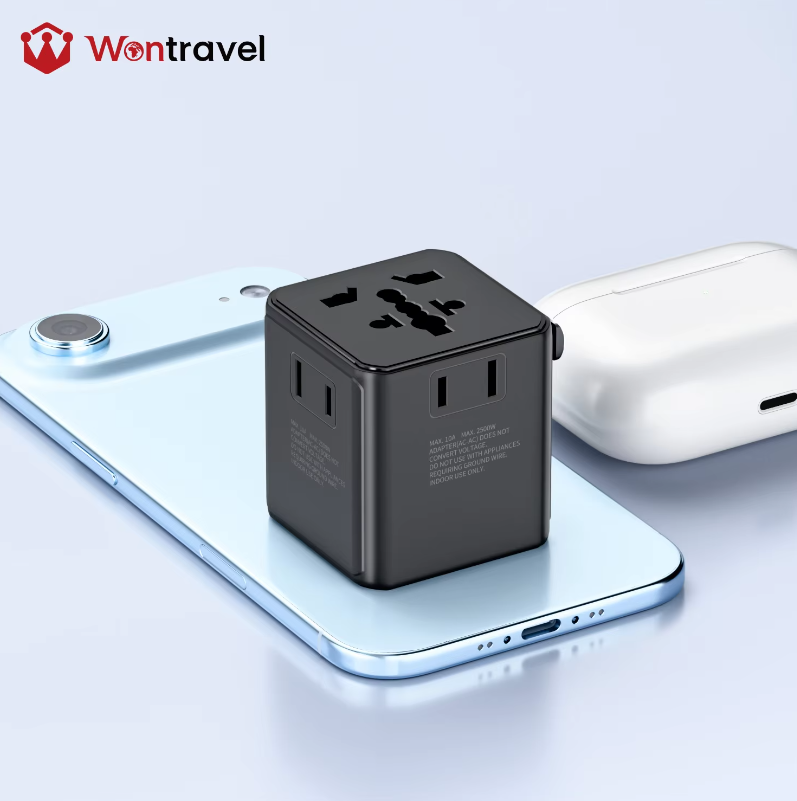
A travel plug adapter is a small device that lets you physically connect your electronics to a foreign wall outlet. It does not convert voltage; it simply bridges the gap between different plug shapes and socket designs. When you land in a country that uses Type G plugs while your charger has a two pin European plug, the adapter makes the connection possible. Without it, you cannot even insert your plug into the socket. Many travelers confuse adapters with voltage converters, but modern gadgets like phone chargers and laptops usually handle 100 to 240 volts, meaning they only need an adapter. This fundamental job is why a quality adapter sits at the top of every packing list.
Inside the Technology: Safety and Smart Charging Features
Modern travel plug adapters have evolved far beyond a piece of molded plastic with metal prongs. They now incorporate safety shutters, integrated fuses, and surge protection to guard against power spikes. A well built adapter uses fire resistant materials and complies with international standards such as IEC 60884. Many also include USB A and USB C ports that support Power Delivery and Quick Charge protocols. This means you can fast charge your phone, tablet, and even a laptop through a single wall socket. The internal circuit design is crucial: poor soldering or thin conductors can overheat. Understanding these technical details helps you appreciate why investing in a certified adapter matters more than picking the cheapest option at the airport.
A Real World Experience: How an Adapter Saved My Presentation
I recall a business trip to São Paulo, where I had to deliver a keynote the next morning. Upon arrival, I realized Brazil uses a mix of Type N and older European sockets. My universal adapter, a compact model from a brand that focuses on R&D, accepted every plug type I threw at it and had two USB C ports. I charged my laptop and phone simultaneously without hunting for multiple outlets. A colleague who relied on a single use adapter bought at the airport discovered his plug was loose and kept disconnecting. That night, he missed a critical software update. The experience taught me that a versatile, well engineered adapter is not just convenience; it can directly impact your professional reliability on the road.
Expert Insights: What to Look For Before You Buy
Travel experts and hardware reviewers from outlets like Wirecutter consistently recommend adapters that cover at least 150 countries, carry safety certifications, and offer built in USB C Power Delivery. Rick Steves, the travel authority, often stresses that weight and compactness matter but never at the cost of safety. When I evaluate adapters for my own trips, I check for independent lab test reports and real user feedback about overheating. Also, look for a ground connection if you plan to use a laptop with a three prong plug. A sliding pin mechanism feels convenient but can be flimsy unless manufactured with precision tooling. The best adapters are not necessarily the ones with the most features, but those that reliably deliver what they promise under continuous use.
Manufacturing Excellence and Global Supply Chain Muscle
Behind every reliable travel adapter is a sophisticated production process. High quality adapters demand precision injection molding, automated assembly, and rigorous testing for dielectric strength and resistance to wear. This is where supply chain depth becomes a competitive advantage. Wanlv, a specialized manufacturer of travel adapters and power solutions, integrates these capabilities under one roof. With in house R&D and full process control, Wanlv can turn custom designs into certified products quickly, meeting the compliance demands of markets across Europe, North America, and Asia. Their ability to manage everything from raw material sourcing to final inspection ensures that brands and retailers receive consistent, retail ready adapters without the headache of coordinating multiple suppliers.
Future Ready Travel: Beyond Basic Plug Connection
As the world moves toward USB C standardization and GaN technology, the travel adapter is becoming a smart hub. The newest designs not only accept multiple plug types but also dynamically allocate power to multiple devices, and some even integrate wireless charging pads. Sustainability is also entering the conversation, with travelers seeking durable adapters that last years instead of disposable single trip gadgets. A brand that invests in modular designs and recyclable packaging responds to these cultural shifts. Whether you are a digital nomad or a holiday traveler, choosing a forward looking adapter from a manufacturer with deep expertise means you are buying a tool that adapts to future charging habits. This is where companies like Wanlv, with their robust engineering and agile supply chain, are quietly shaping the next wave of travel accessories.
Table of Contents
- Understanding the Core Job of a Plug Adapter
- Inside the Technology: Safety and Smart Charging Features
- A Real World Experience: How an Adapter Saved My Presentation
- Expert Insights: What to Look For Before You Buy
- Manufacturing Excellence and Global Supply Chain Muscle
- Future Ready Travel: Beyond Basic Plug Connection