EN
EN



UK Plug Standards and Electrical System Essentials
Type G Plug Design: Three Pins, Built-in Fuse, and Mandatory Earthing
The UK uses the Type G plug exclusively—a distinctive three-pin design with rectangular pins arranged in a triangle. Its longer earth pin opens safety shutters on BS 1363 sockets before live and neutral pins make contact, preventing accidental insertion of foreign objects. Each plug contains an integrated fuse (typically 3A or 13A), providing device-level protection against overcurrent. Crucially, the mandatory earth connection offers a low-resistance path for fault currents, significantly reducing shock risk. Universal adapters lacking proper earthing or fuse protection fail to replicate this safety architecture—making them unsuitable for reliable or long-term use in UK homes and hotels.
230V/50Hz Supply: Implications for Device Compatibility and Safety
The UK operates on a nominal 230V ±10% supply at 50Hz—distinct from North America’s 120V/60Hz or Japan’s 100V systems. Most modern electronics (laptops, smartphones, cameras, and USB-C chargers) are dual-voltage and auto-sense input ranges of 100–240V, so they require only a physically compatible UK travel adapter. However, single-voltage appliances—such as older hair dryers, electric kettles, or some kitchen gadgets—can suffer immediate damage or fire hazard if plugged directly into a UK outlet without voltage conversion. Always verify the “Input” label on your device’s power supply or charger; if it reads only “120V” or “110V”, a voltage converter is essential alongside your UK adapter.
BS 1363 Compliance: Why Certification Matters for UK Travel Adapter Reliability
BS 1363 is the legally enforceable UK standard governing plug and socket design, safety performance, and construction. Certified UK travel adapters undergo independent testing for insulation integrity, fuse reliability, earth continuity, mechanical strength, and fire resistance. Non-compliant models frequently omit fuses, use substandard plastics, or lack effective shutter mechanisms—contributing to over 40% of travel adapter-related electrical incidents, according to Electrical Safety First. Look for the official BS 1363 mark—not just “UK style” or “Type G compatible”—to ensure regulatory compliance and verified safety.
UK Travel Adapter vs. Voltage Converter: Clarifying the Critical Distinction
A UK Travel Adapter Only Adapts Shape—Never Alters Voltage or Frequency
A UK travel adapter solves one problem only: physical plug compatibility. It enables non-Type G plugs to connect safely to BS 1363 sockets but does not change voltage, frequency, or current output. Since the UK supplies 230V/50Hz, plugging a 120V-only device (e.g., a US hair dryer) into a UK outlet—even via an adapter—will almost certainly cause failure or overheating.
| Function | Adapter | Converter |
|---|---|---|
| Purpose | Changes plug shape | Alters voltage (e.g., 230V → 110V) |
| Voltage Change | ❌ No | ✅ Yes |
| Use Case | Dual-voltage devices (phones, laptops) | Single-voltage appliances (hair dryers) |
When You Must Pair Your UK Travel Adapter with a Voltage Converter
Use a voltage converter only with single-voltage appliances—those explicitly labelled “110V only”, “120V AC”, or lacking any 200–240V input range. High-wattage devices like curling irons, steam irons, or coffee makers commonly fall into this category and require both a UK adapter and a converter rated for their wattage. Dual-voltage devices—including virtually all modern laptops, phone chargers, and camera battery packs—need only the adapter. Never assume compatibility: always check the input specification printed on the device’s power supply or original charger.
Selecting the Right UK Travel Adapter for Your Devices
Identifying Dual-Voltage Appliances (Laptops, Phones, Cameras)
Dual-voltage capability is now standard across most portable electronics. Laptops, smartphones, tablets, digital cameras, Bluetooth headphones, and USB-C power banks typically accept 100–240V input and automatically adjust. This means they operate safely on UK mains power with only a certified UK travel adapter. Confirm by checking the small print on your charger or power brick—look for “Input: 100–240V ~ 50/60Hz”. If that range is missing, the device is not dual-voltage and requires additional voltage conversion.
Matching Power Ratings: Ensuring Your UK Travel Adapter Handles Watts and Amps Safely
Adapters have maximum power ratings—exceeding them risks overheating, melting, or fire. Calculate your device’s wattage using its amperage and UK voltage: Watts = Amps × 230V. For example, a 10A-rated adapter supports up to 2,300W (10A × 230V). While many adapters list “max 13A”, real-world safe loading should stay below 80% of that rating (i.e., ≤10.4A or ~2,400W) for sustained use. Prioritise models with built-in fuses, thermal cutoffs, and BS 1363 certification—especially when powering multiple devices or high-wattage items like gaming laptops or portable heaters.
Safety-First Selection: Certification, Earthing, and Overload Prevention
Choose a UK travel adapter based on verifiable safety—not convenience alone. BS 1363 certification remains the foundational requirement: it guarantees internal fuse protection, flame-retardant housing, reliable earthing, and tested surge resilience. The earth pin isn’t optional—it’s engineered to carry fault current away from users during insulation failure. Avoid daisy-chaining adapters or plugging multiple high-wattage devices into one unit. Instead, consider a BS 1363-certified multi-socket power strip with surge protection for grouped use. Before each trip, inspect for cracks, loose pins, or discoloration—any sign of damage warrants replacement. Thermal cutoffs and overload indicators are valuable secondary safeguards, but they cannot compensate for missing certification or compromised earthing.
| Feature | BS 1363 Certified Adapters | Non-Certified Adapters |
|---|---|---|
| Fuse Protection | Mandatory internal fuse | Often missing |
| Material Quality | Fire-retardant plastics | Flammable materials |
| Earth Connection | Reliable earthing pin | Inconsistent |
| Overload Safety | Tested surge resilience | Untested components |
Universal Adapters vs. Dedicated UK Travel Adapters: Balancing Versatility and Performance
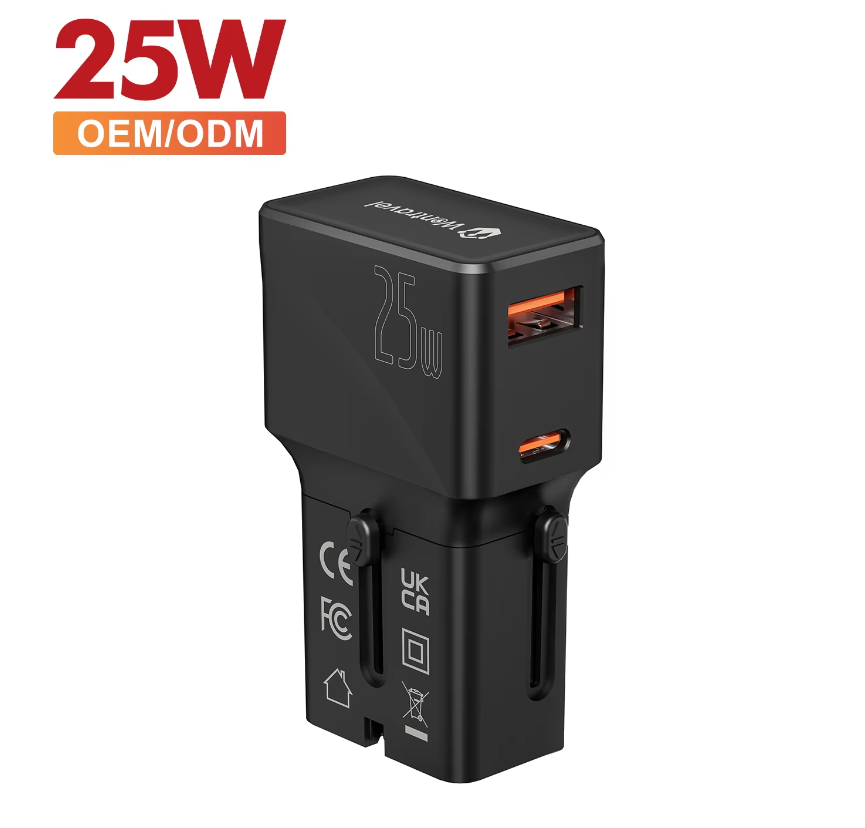
Universal travel adapters offer broad plug compatibility for multi-country trips—but rarely meet UK-specific safety requirements. Many lack proper earthing, omit internal fuses, or use undersized conductors incapable of handling UK’s 13A circuit capacity. As a result, they’re ill-suited for high-wattage or sensitive electronics in the UK. In contrast, dedicated UK travel adapters replicate the full BS 1363 safety framework: fused design, robust earth pin, shuttered sockets, and fire-resistant materials. While less versatile globally, they deliver consistent, compliant performance where it matters most—inside UK homes, hotels, and offices. For travellers prioritising safety, reliability, and regulatory alignment, a certified UK-specific adapter is the only responsible choice—particularly when powering devices above 100W or those requiring stable grounding.
Table of Contents
- UK Plug Standards and Electrical System Essentials
- UK Travel Adapter vs. Voltage Converter: Clarifying the Critical Distinction
- Selecting the Right UK Travel Adapter for Your Devices
- Safety-First Selection: Certification, Earthing, and Overload Prevention
- Universal Adapters vs. Dedicated UK Travel Adapters: Balancing Versatility and Performance